
Best Outsourced Print and Mail Services for Mid-Sized Insurance Carriers
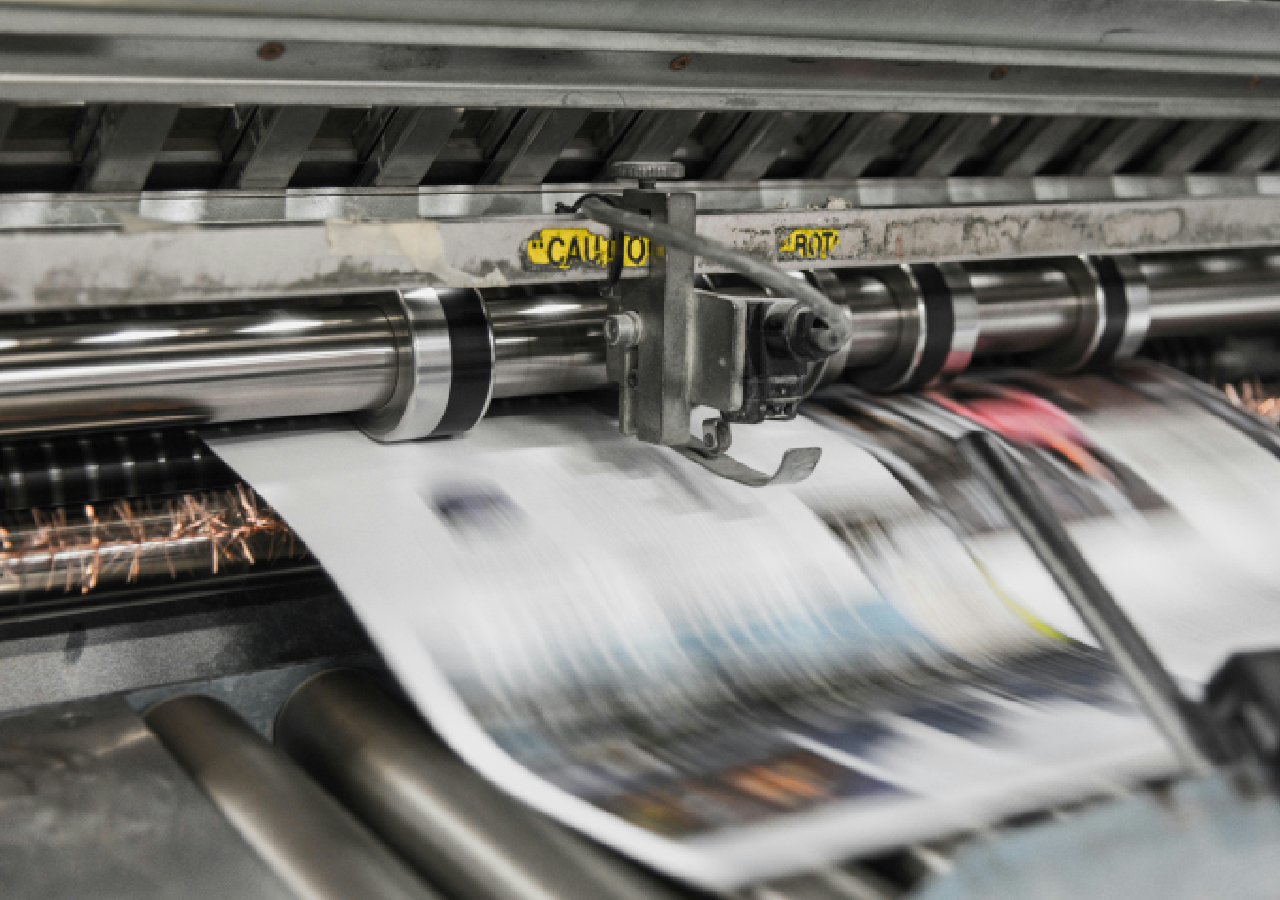
For a mid-sized insurance carrier, keeping print and mail operations in-house can become difficult as the business grows. Policy documents, renewal notices, billing statements, claims letters, cancellation notices, regulatory communications, and customer correspondence all need to be produced accurately and delivered on time.
At the same time, insurance carriers have to manage sensitive customer information, changing mail volumes, postal costs, compliance requirements, and tight delivery schedules. A small mistake can result in a returned document, delayed communication, or an unhappy policyholder.
That is why many mid-sized insurance companies consider outsourced print and mail services. The right provider can take care of document production, printing, inserting, postal preparation, tracking, and other related tasks while allowing the carrier’s internal team to focus on core insurance operations.
However, not every print and mail provider is a good fit for insurance. Here is what mid-sized carriers should look for when choosing a partner.
Why Insurance Carriers Outsource Print and Mail Services
Insurance mail is more complicated than simply printing letters and putting them in envelopes. A carrier may need to send thousands of different documents every month, often based on policyholder data and specific business rules.
Mail volumes can also change quickly. Renewal cycles, open enrollment, claims activity, regulatory updates, and seasonal campaigns can create significant increases in production.
Maintaining enough equipment and staff to handle these peaks internally can be expensive. Outsourcing gives carriers access to established production infrastructure without having to continually invest in printers, inserters, software, maintenance, staffing, and additional floor space.
More importantly, a specialized provider can create a consistent workflow for preparing and mailing important policyholder communications.
What Makes a Good Print and Mail Service for Insurance?
Choosing a provider should involve more than comparing printing prices. Insurance carriers should evaluate the entire process, from receiving customer data to confirming that finished documents have entered the postal system.
1. Experience With Insurance Documents
Industry experience is one of the first things to check. A provider that regularly handles insurance communications is more familiar with documents such as policy packets, declarations, endorsements, bills, renewal notices, claims correspondence, and cancellation letters.
That experience can make implementation smoother and help the provider understand why certain documents require additional quality checks or strict delivery schedules.
For a mid-sized carrier, working with a provider that understands insurance workflows can also reduce the amount of training and oversight required from internal employees.
2. Data Security and Compliance
Insurance companies handle valuable customer information, so security should never be treated as an afterthought.
Before selecting a provider, ask how customer data is transferred, stored, accessed, processed, and removed. Find out who can access production files and what controls are in place to prevent unauthorized access.
It is also sensible to review the provider’s relevant security certifications, audit reports, access controls, business continuity procedures, and data retention policies.
The important point is not simply whether a vendor says it is secure. Carriers should ask for evidence and documentation that supports those claims.
3. Document Accuracy and Quality Control
Accuracy is critical when mailing insurance documents.
A reliable provider should have quality checks throughout the production process. These may include automated data validation, barcode scanning, document matching, page-count verification, and envelope-level quality checks.
These controls help reduce the risk of sending the wrong document or incomplete policy information to a customer.
Carriers should also ask how production errors are identified and corrected. A good provider should have a documented process rather than relying entirely on manual inspection.
4. Postal Expertise and Address Management
Printing the document is only half the job. The finished mail piece still needs to reach the right address.
A strong provider should understand postal preparation, presorting, postage optimization, address validation, and returned-mail processing.
Address quality is especially important for insurance carriers. An outdated address can mean that a renewal notice, bill, or important policy communication never reaches the policyholder.
Ask potential providers how they handle undeliverable mail and whether they can provide reporting on returned pieces. These details can help internal teams identify address problems and reduce unnecessary mailing costs.
5. Scalability and Disaster Recovery
A provider should be able to handle both normal and unusually high production volumes.
For example, a carrier may normally mail 50,000 pieces a month but suddenly need to produce several hundred thousand communications following a regulatory change or major business event.
Ask vendors about their maximum production capacity, turnaround times during peak periods, backup equipment, secondary production locations, and disaster recovery plans.
Business continuity is particularly important for insurance communications because some notices cannot simply be postponed for several days.
6. Technology and Integration
The best outsourced print and mail service should fit into your existing workflow instead of creating another disconnected process.
Depending on the carrier’s technology environment, integration may involve policy administration systems, document composition platforms, claims systems, customer databases, or secure file-transfer solutions.
Look for providers that can support automated file intake, production status updates, exception reporting, and delivery confirmation.
Good technology should reduce manual work, not add another layer of administration.
Best Outsourced Print and Mail Services to Consider
There is no universal “best” provider for every insurance carrier. The right choice depends on document volume, lines of insurance, technology requirements, geographic coverage, security needs, and budget.
Patra
Patra is worth considering for carriers looking for an insurance-focused outsourcing partner. Its services include print and mail along with other insurance operations support.
A major advantage is its focus on the insurance industry. This can be useful for carriers that want a provider familiar with policy-related documents and insurance workflows rather than a general commercial printer.
FSSI
FSSI offers printing and mailing services for insurance communications, including policy documents, statements, bills, claims letters, renewal notices, and other customer correspondence.
It may be a good option for organizations that place a high priority on controlled production processes and secure handling of sensitive information.
mailing.com
mailing.com provides high-volume transactional and marketing mail services. Insurance applications can include policyholder communications, renewal reminders, claims-related correspondence, notices, and customer marketing.
It can be worth evaluating for carriers that need both transactional communications and larger-scale marketing mail under one provider.
Covenir
Covenir focuses on document processing, print, mail, and related business process services. Its capabilities can be relevant to organizations that need strong production visibility and documentation around mailed communications.
This can be particularly useful when internal teams need a clear record of when documents were produced and released for mailing.
CSG
CSG provides customer communications solutions that can support insurance organizations with document delivery, tracking, and related communication workflows.
It may be particularly relevant for carriers looking to modernize their customer communications and connect physical mail with broader digital communication strategies.
How to Compare Providers
Rather than selecting a vendor based on the lowest per-piece price, mid-sized carriers should evaluate the complete cost and service model.
Start by looking at your current monthly and annual mail volume. Then identify your busiest periods, document types, average turnaround requirements, postal destinations, and the amount of manual work involved.
During vendor discussions, ask questions such as:
- What experience do you have with insurance carriers?
- How do you protect sensitive policyholder information?
- What quality checks are performed before mail is released?
- How quickly can you handle urgent or high-volume projects?
- How do you manage returned and undeliverable mail?
- What production and delivery reports are available?
- How does your system integrate with our existing platforms?
- What happens if your primary production facility is unavailable?
- Are postage, production, storage, and additional service fees clearly separated?
- Can you provide references from organizations with similar requirements?
These questions can reveal differences that are not obvious from a vendor’s pricing sheet.
Should a Mid-Sized Insurance Carrier Outsource Print and Mail?
For many carriers, outsourcing makes sense when internal print and mail operations are becoming expensive, difficult to scale, or time-consuming to manage.
The biggest benefit is not simply lower printing costs. A well-managed outsourcing relationship can provide more predictable production, stronger quality controls, better scalability, and access to specialized postal and document-processing expertise.
However, outsourcing is not automatically the right answer. Carriers with highly specialized requirements, low document volumes, or existing production infrastructure may find that keeping certain functions in-house remains practical.
The decision should ultimately be based on total cost, operational risk, service quality, scalability, and the importance of reliable policyholder communication.
Final Thoughts
For mid-sized insurance carriers, print and mail remains an important part of customer service, even as more communications move online. Policyholders still receive bills, renewal notices, policy documents, claims correspondence, and regulatory notices through the mail.
The right outsourced partner can make this process easier to manage while helping the carrier handle changing volumes and maintain consistent quality.
When comparing providers, look beyond basic printing costs. Consider insurance experience, data security, quality control, postal expertise, technology integration, scalability, reporting, and disaster recovery.
A provider that understands these requirements can become a dependable extension of the carrier’s operations—not simply a company that prints and mails documents.
To read more interesting articles visit – https://ventureblogging.com