
How to Sell Your House Faster: Practical Tips
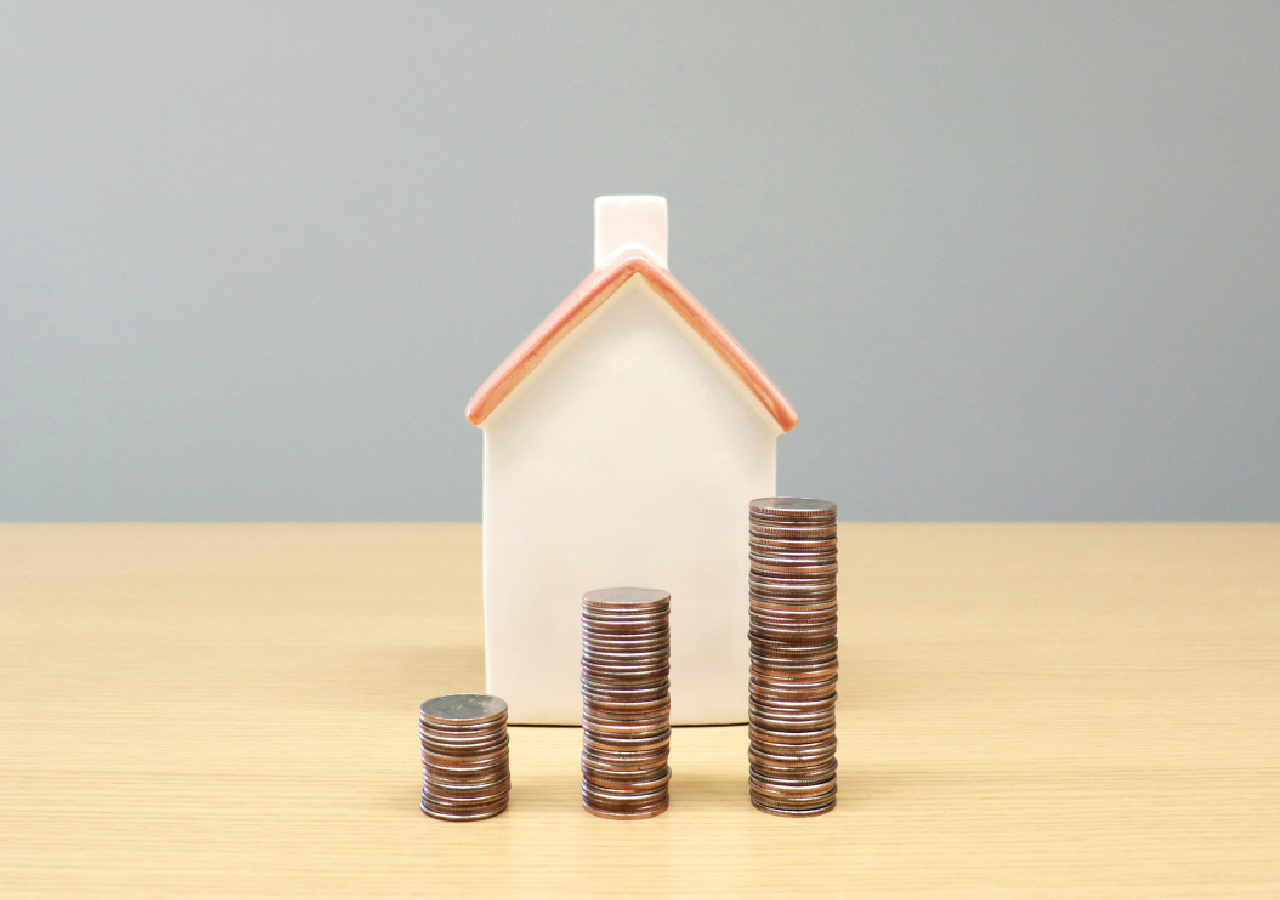
Selling a house can be exciting, but it can also be stressful when buyers are slow to respond. You may have a property in a good location, a reasonable asking price, and attractive features, yet finding the right buyer can take longer than expected. The good news is that a few smart decisions can make your property more appealing and help you attract serious buyers.
If you are wondering how to sell your house faster, start by focusing on the things buyers notice most. These include the price, property condition, photographs, location, and overall presentation. In addition, clear communication and flexible viewing times can help turn interest into genuine offers.
Whether you are selling your first home or have experience in real estate, this guide covers practical steps to prepare your property, market it effectively, negotiate with buyers, and move toward a successful sale.
1. Set the Right Asking Price
Pricing is one of the most important decisions when selling a property. If your asking price is too high, potential buyers may skip your listing. If it is too low, you could lose money unnecessarily.
Start by researching recently sold properties in your area. Compare homes with similar sizes, locations, conditions, and features. Remember that the prices advertised online may differ from the final prices buyers actually pay.
For example, suppose similar houses in your neighbourhood have recently sold for around ₹65 lakh to ₹70 lakh. Listing your property at ₹85 lakh without any special features may discourage buyers. A realistic asking price based on local market conditions could generate more inquiries and create opportunities for negotiation.
You can also consult a local real estate agent for a property valuation. However, consider more than one opinion before making your decision.
Factors to Consider When Pricing Your House
- Recent sale prices of comparable properties.
- Property condition, age, and available amenities.
- Demand for homes in your neighbourhood.
- Nearby schools, hospitals, transport, and shopping facilities.
- Outstanding repairs or improvements that buyers may need to make.
A well-researched price helps attract the right audience from the beginning.
2. Improve Your Home’s First Impression
First impressions matter when buyers visit a property. Before they examine the bedrooms or kitchen, they notice the entrance, exterior, cleanliness, and general appearance.
Fortunately, you do not need an expensive renovation to make your house look attractive. Small improvements can make a noticeable difference.
Start by cleaning the entrance, trimming plants, removing rubbish, and checking that gates and doors work properly. If the walls have peeling paint, consider a fresh coat in a neutral colour. Also, replace broken light fittings and repair loose handles.
Inside the house, pay attention to cleanliness and organisation. A tidy home helps buyers focus on the property’s features instead of its maintenance problems.
For instance, a living room with clean floors, open windows, and neatly arranged furniture may feel more spacious than the same room filled with unnecessary items.
3. Declutter and Stage Your Home
Home staging means arranging a property to help buyers imagine themselves living there. It does not require expensive furniture or professional services in every case.
Begin by removing personal photographs, unused furniture, excess decorations, and items that make rooms look crowded. Then arrange the remaining furniture to create clear walking paths and highlight useful spaces.
A small bedroom, for example, may look larger when you remove an extra chair and use simple bedding. Similarly, clearing kitchen counters can make the cooking area appear more functional.
Pay particular attention to the living room, kitchen, bedrooms, bathrooms, and entrance. These areas often shape a buyer’s overall impression.
| Area | Practical improvement | Expected benefit |
|---|---|---|
| Living room | Remove excess furniture | Makes the room feel more open |
| Kitchen | Clean counters and cabinets | Highlights usable space |
| Bathroom | Clean tiles and replace worn fixtures | Creates a fresher appearance |
| Bedrooms | Use simple bedding and organised storage | Helps buyers imagine the space |
| Entrance | Clean the door and walkway | Creates a welcoming first impression |
The goal is not to hide problems. Instead, present your home in a clean, comfortable, and well-maintained condition.
4. Complete Important Repairs Before Listing
Buyers often look for signs of poor maintenance. Small issues may seem unimportant to you, but they can raise questions about the property’s overall condition.
Before listing your house, inspect it carefully. Check for leaking taps, cracked tiles, damaged switches, dripping pipes, loose handles, and doors that do not close properly. Address visible dampness or water damage after identifying and correcting the underlying cause.
However, avoid spending heavily on upgrades that may not increase your property’s value. A complete kitchen renovation, for example, may be unnecessary if the existing kitchen is functional and reasonably clean.
Focus on repairs that improve safety, usability, and buyer confidence. Keep invoices, warranties, and relevant maintenance records available for interested buyers.
Being transparent about known issues can also reduce disputes during negotiations and help buyers make informed decisions.
5. Use High-Quality Photos and Videos
Most buyers begin their property search online. Therefore, the quality of your listing photographs can influence whether they decide to arrange a visit.
Use bright, clear photographs that show the actual condition and layout of your house. Open curtains to bring in natural light, tidy each room, and photograph spaces from angles that make their size and features easy to understand.
If possible, take pictures during the daytime. Avoid blurry images, heavy filters, and misleading wide-angle shots that make rooms appear much larger than they are.
A short video walkthrough can provide additional value. It allows buyers to understand the connection between rooms before visiting in person.
Your listing should also include useful details, such as the property’s size, number of bedrooms and bathrooms, parking availability, nearby facilities, and asking price. Accurate information helps attract buyers whose needs match your property.
6. Market Your Property Through the Right Channels
Even an attractive house needs effective marketing. To reach more potential buyers, combine online property listings with local promotion and professional networking.
Start by listing your property on relevant real estate websites. Use a clear headline, accurate details, good photographs, and a realistic asking price. Share the listing through suitable local community groups, where permitted, and ask trusted contacts to spread the word.
A real estate agent may also help you reach buyers who are actively looking in your area. Choose an agent who understands local property values, communicates clearly, and has a practical marketing plan.
In addition, prepare a short description that highlights the property’s most useful features. Instead of writing only that a house is spacious, explain that it offers three bedrooms, dedicated parking, and convenient access to public transport, if those details are accurate.
The more clearly you communicate the property’s value, the easier it becomes for suitable buyers to assess whether it meets their needs.
7. Make Property Viewings Convenient
A buyer who likes your online listing may still lose interest if arranging a visit is difficult. Flexible viewing times can help you connect with more potential buyers.
Where possible, offer appointments during evenings or weekends. Keep the house clean and well-lit before each visit. Open curtains, ensure rooms are ventilated, and put away personal belongings.
During a viewing, allow buyers enough space to explore. Answer questions honestly and avoid pressuring them to make an immediate decision.
Be prepared to explain practical details, including maintenance history, available parking, monthly maintenance charges, and nearby facilities. If a buyer asks about a feature you are unsure of, verify the information instead of guessing.
If you are working with an agent, agree on how quickly enquiries should be answered. Prompt responses can prevent interested buyers from moving on to other properties.
8. Prepare Your Documents in Advance
Documentation can affect how quickly a property transaction progresses. Missing papers or unclear ownership details may delay negotiations even when a buyer is ready to proceed.
The required documents depend on your location and property type. In India, sellers may need documents relating to ownership, registration, approved building plans, property tax payments, and housing society records, where applicable.
If the property is mortgaged, contact your lender to understand the loan closure process and any documents required for the sale. For jointly owned property, confirm that the necessary owners can participate in the transaction.
Keep relevant paperwork organised before accepting an offer. If you have questions about title, inheritance, outstanding dues, or legal restrictions, consult a qualified property lawyer.
Proper preparation reduces avoidable delays and helps buyers feel more confident about moving forward.
9. Negotiate Smartly and Respond to Offers
Selling quickly does not mean accepting the first offer without checking its terms. A buyer’s financial readiness, proposed payment schedule, financing arrangements, and completion timeline can all affect the transaction.
Before negotiations begin, decide on a realistic minimum price based on your financial needs and local market conditions. Also, consider the total cost of selling, including agent fees, outstanding loans, applicable taxes, and legal expenses.
For example, one buyer may offer a slightly higher price but need several months to arrange financing. Another may offer a little less but have verified funds and a practical completion schedule. Comparing the complete terms can help you decide which offer better meets your needs without focusing on price alone.
Respond to serious offers promptly. If an offer is below your expectations, you can make a counteroffer or explain which terms would make the deal acceptable.
Keep important agreements in writing, and have the final transaction reviewed according to local legal requirements.
10. Avoid Common Mistakes That Slow Down a Sale
Some sellers unintentionally make their properties harder to sell by overlooking basic details. Avoiding these mistakes can help you maintain buyer interest.
Common mistakes include:
- Setting an unrealistic price based on emotional attachment rather than market evidence.
- Ignoring cleaning, repairs, and property presentation.
- Using poor photographs or incomplete listing descriptions.
- Making it difficult for buyers to schedule viewings.
- Failing to prepare ownership and tax documents.
- Rejecting every offer without considering its full terms.
- Hiding known property problems instead of addressing or disclosing them appropriately.
If your property receives few enquiries, review the price, photographs, and marketing reach. If buyers visit but do not make offers, ask for feedback and look for recurring concerns. These patterns can help you identify what needs to change.
Conclusion
Selling a house faster usually comes down to preparation, realistic pricing, effective marketing, and a smooth buying process. Although no strategy can guarantee a quick sale, these steps can improve your chances of attracting serious buyers and reducing unnecessary delays.
Start by researching comparable properties and setting a sensible asking price. Next, clean your home, complete essential repairs, and prepare professional-looking photographs. Then, promote the listing through suitable channels, respond quickly to enquiries, and organise your documents before negotiations progress.
Finally, stay flexible while protecting your financial and legal interests. By making it easier for buyers to understand your property’s value and move forward confidently, you can create a more efficient selling experience.
Frequently Asked Questions (FAQs)
1. How can I sell my house faster?
Set a competitive price, improve the property’s appearance, complete essential repairs, and use clear photographs. Promote the listing through relevant property websites and local agents. In addition, respond promptly to enquiries and offer convenient viewing times to help serious buyers evaluate your property.
2. What is the fastest way to sell a house?
The process often moves faster when the property is priced appropriately, documents are ready, and the buyer has the financial ability to proceed. A direct buyer or cash buyer may reduce some financing delays, although legal checks and other transaction requirements still apply.
3. Should I renovate my house before selling it?
Not necessarily. Start with cleaning, decluttering, and essential repairs. Consider larger renovations only after comparing their costs with likely buyer demand and potential value. Expensive upgrades do not always produce a matching increase in the final selling price.
4. How do I decide the right asking price for my property?
Research recent sales of similar properties in the same area. Consider the property’s size, condition, age, location, and amenities. You can also obtain a valuation from a local real estate professional and compare it with available market evidence.
5. Do professional photographs help sell a house?
High-quality photographs can make your listing easier to understand and more attractive to potential buyers. Bright, accurate images help people assess the rooms and layout before arranging a viewing. However, photographs should represent the property’s actual condition.
6. What documents should I prepare before selling a house in India?
Depending on the property, you may need ownership and registration documents, property tax receipts, approved building plans, society records, and mortgage-related paperwork. Requirements vary by state and transaction type, so consult a property lawyer to confirm the documents needed for your sale.
7. How long does it take to sell a house?
The timeline varies with location, asking price, property condition, buyer demand, and financing arrangements. Preparing documents, setting a realistic price, and responding quickly to interested buyers may help reduce delays. The time needed to complete legal formalities and registration also affects the overall process.
To read more interesting articles visit – https://ventureblogging.com