10 Hidden Destinations in India That Are Still Off the Tourist Radar
India has no shortage of famous travel destinations. Goa has its beaches, Manali has its mountains, Jaipur has its forts, and Kerala has its backwaters. But beyond these well-known places lies another India—one filled with unusual landscapes, forgotten ruins, remote villages, tribal traditions, caves, forests, islands, and quiet corners that don’t always appear on standard travel itineraries.
If you have already visited the popular tourist spots or simply want your next trip to feel different, exploring an offbeat destination can be incredibly rewarding.
Here are 10 hidden destinations in India that offer completely different travel experiences, from exploring ancient caves to walking through remote desert villages.
1. Mawlynnong, Meghalaya – A Peaceful Village in the Hills
Tucked away in Meghalaya, Mawlynnong is a small village surrounded by lush greenery and rolling hills. It became well known for its exceptionally clean surroundings, but there is much more to experience here than simply walking through a tidy village.
The surrounding region is filled with waterfalls, forests, traditional homes, and living root bridges created from the roots of rubber trees. These remarkable natural structures demonstrate the relationship between local communities and their environment.
Mawlynnong is ideal if you want a slow village experience rather than a conventional sightseeing holiday.
Best for: Nature, village life, photography, and eco-tourism.
Best time to visit: October to April.
2. Gandikota, Andhra Pradesh – India’s Dramatic Canyon Country
Gandikota feels almost completely different from India’s lush hill destinations. Here, the landscape is dominated by enormous rocky cliffs and the spectacular gorge carved by the Pennar River.
Often referred to as the “Grand Canyon of India,” Gandikota combines dramatic scenery with history. The massive Gandikota Fort sits beside the gorge, with old walls, temples, mosques, and ruins spread across the site.
Sunset is one of the best times to see the canyon, when the warm light falls across the rugged cliffs.
Best for: Landscapes, history, road trips, and photography.
Best time to visit: October to February.
Also Read – Best Budget Friendly Countries to Visit from India
3. Dholavira, Gujarat – An Ancient City in the Salt Desert
For history enthusiasts, Dholavira offers an experience that is difficult to find anywhere else in India.
Located in the Great Rann of Kutch, Dholavira was once a major settlement of the Indus Valley Civilization. Archaeological remains reveal sophisticated urban planning, water-management systems, reservoirs, streets, and other structures dating back thousands of years.
The surrounding landscape makes the experience even more unusual. Instead of green forests or Himalayan peaks, you get a vast, stark salt-desert environment.
Best for: Ancient history, archaeology, photography, and unusual landscapes.
Best time to visit: November to February.
4. Ziro Valley, Arunachal Pradesh – Where Rice Fields Meet Mountain Culture
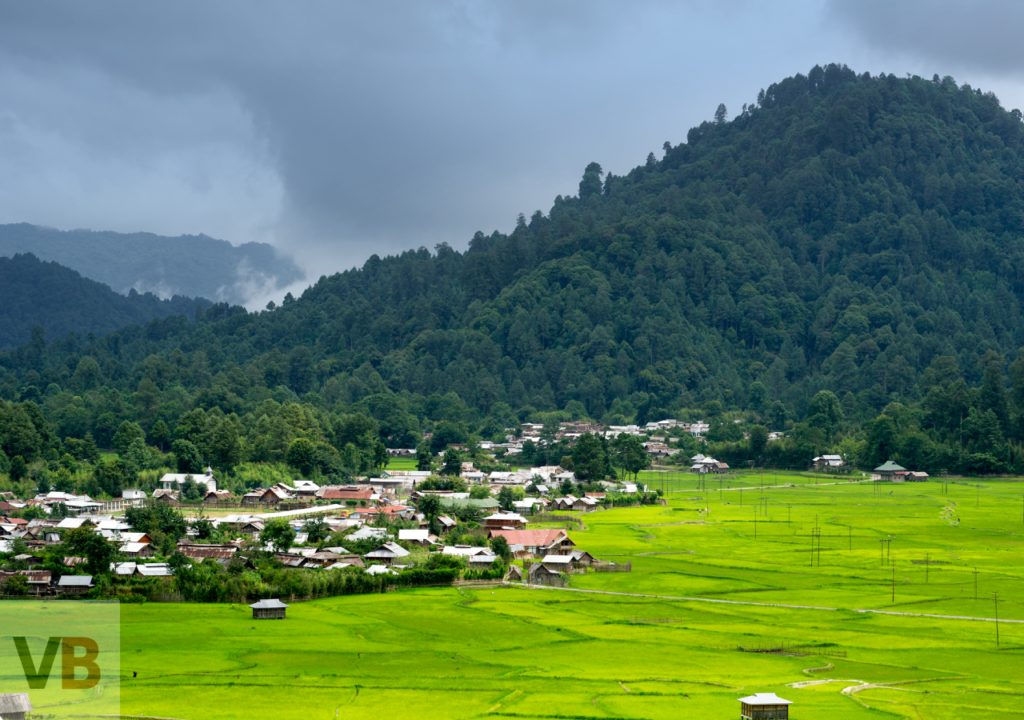
Ziro Valley isn’t simply another Himalayan destination. Its biggest attraction is the combination of beautiful agricultural landscapes and the distinctive culture of the Apatani people.
Green rice fields stretch between forested hills, while traditional villages provide opportunities to experience local life at a slower pace.
Travelers can explore villages, walk through the countryside, learn about local traditions, and enjoy the valley’s peaceful atmosphere. The annual Ziro music festival has also brought more attention to the region, but much of the valley still retains its relaxed character.
Best for: Culture, rural experiences, photography, and slow travel.
Best time to visit: March to May and September to November.
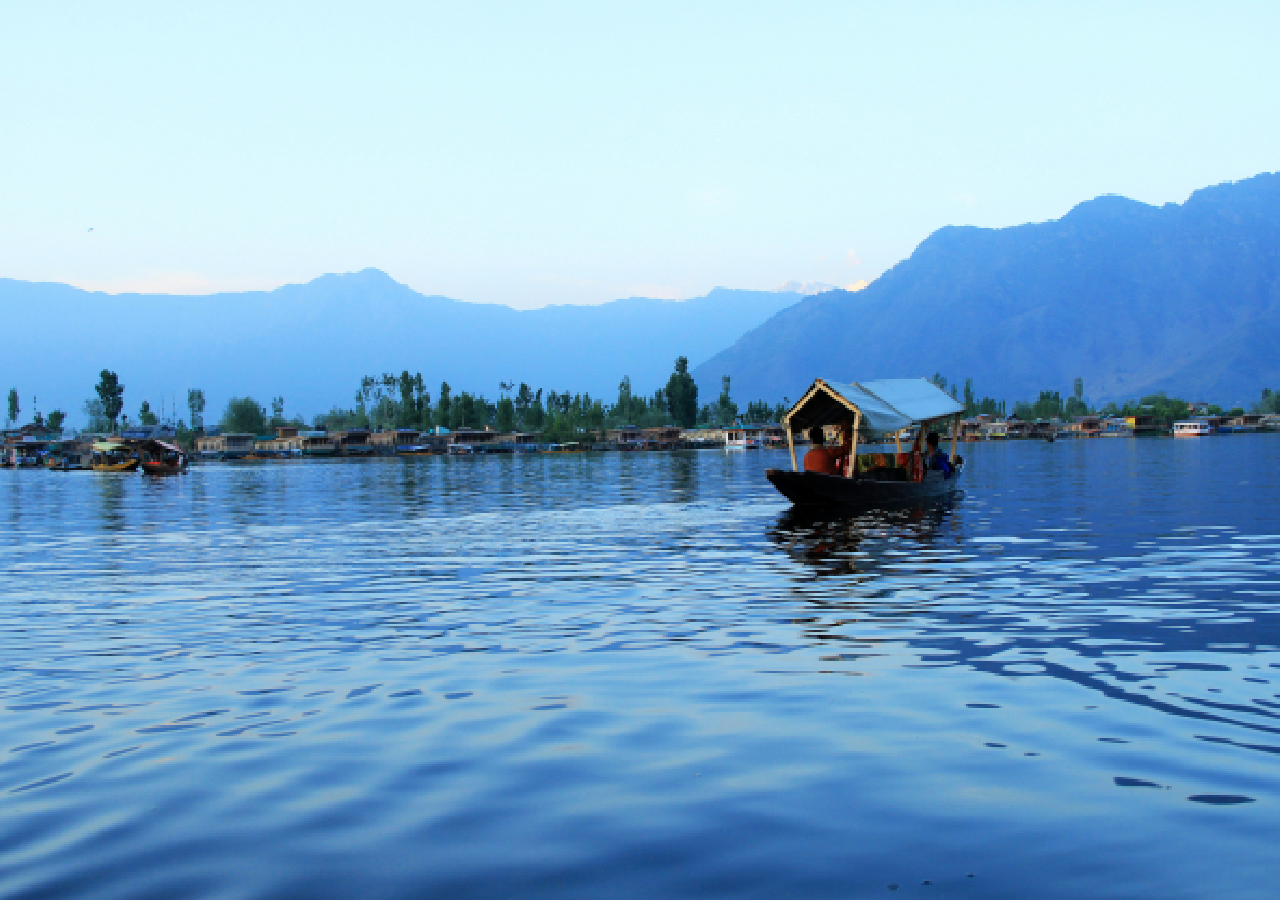
5. Gurez Valley, Jammu & Kashmir – A Remote Himalayan Frontier
If you want to experience a quieter side of Kashmir, Gurez Valley offers something distinctly different from the busy tourist centers.
The valley is surrounded by towering mountains and dotted with traditional wooden houses. Dawar serves as the main settlement and provides a base for exploring the surrounding landscape.
Gurez is particularly appealing because reaching it feels like part of the adventure. The journey takes you through dramatic mountain roads and remote Himalayan scenery.
Best for: Remote travel, mountain scenery, photography, and village experiences.
Best time to visit: Summer to early autumn, depending on local conditions.
Important: Check current road conditions, accessibility, and local travel requirements before planning your trip.
6. Majuli, Assam – Life on the Brahmaputra
Majuli offers an entirely different kind of getaway. Rather than dramatic mountains or ancient forts, the attraction here is river-island culture.
Situated in the Brahmaputra River, Majuli is known for its satras, traditional communities, mask-making, music, and distinctive rural lifestyle.
A visit is best enjoyed without rushing. Spend time cycling or traveling between villages, visiting cultural centers, watching artisans at work, and enjoying the open landscapes.
Because Majuli’s landscape and accessibility can be influenced by the Brahmaputra and seasonal conditions, travelers should check ferry schedules before visiting.
Best for: Culture, crafts, rural life, and slow travel.
Best time to visit: October to March.
7. Kanger Valley National Park, Chhattisgarh – Forests, Caves and Waterfalls
Kanger Valley National Park is for travelers who want something more adventurous than a typical hill-station holiday.
Located in Bastar, Chhattisgarh, the park combines dense forests, caves, waterfalls, and diverse wildlife. The region is particularly known for limestone caves such as Kotumsar Cave and the spectacular Tirathgarh Waterfall.
The surrounding Bastar region also has a rich tribal heritage, making this destination interesting from both natural and cultural perspectives.
Best for: Wildlife, caves, waterfalls, adventure, and tribal culture.
Best time to visit: Generally October to June, subject to park rules and local conditions.
8. Orchha, Madhya Pradesh – A Forgotten Royal Town
Orchha proves that an offbeat destination doesn’t have to be remote.
This historic town on the banks of the Betwa River is filled with palaces, temples, cenotaphs, and medieval architecture. Yet compared with better-known heritage destinations such as Jaipur and Udaipur, Orchha often feels considerably quieter.
The Orchha Fort complex is the centerpiece, while the riverside cenotaphs create one of the town’s most recognizable views.
The best part is simply wandering around the old town and discovering architectural details without feeling rushed by large tourist crowds.
Best for: History, architecture, photography, and heritage walks.
Best time to visit: October to March.
9. Tso Moriri, Ladakh – A High-Altitude Lake Away From the Crowds
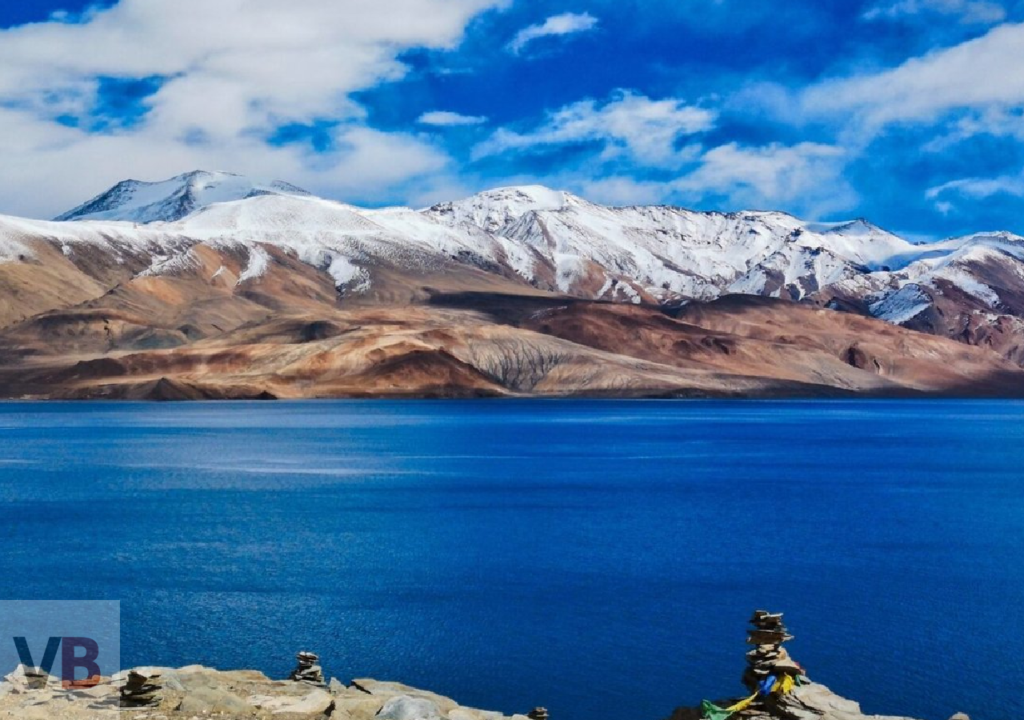
Pangong Lake may be the most famous lake in Ladakh, but Tso Moriri offers a very different atmosphere.
Located in the remote Changthang region, Tso Moriri is surrounded by barren mountains and sits at a very high altitude. The combination of deep blue water, stark mountains, and an almost empty landscape creates an unforgettable setting.
The journey to Tso Moriri is a major part of the experience. It is considerably more remote than many standard Ladakh attractions, so visitors need to prepare carefully for altitude, weather, road conditions, and limited facilities.
Best for: High-altitude landscapes, road trips, photography, and solitude.
Best time to visit: Generally May to September, depending on road and weather conditions.
10. Chaukori, Uttarakhand – A Quiet View of the Himalayas
Chaukori is for travelers who want to experience the Himalayas without spending their holiday in a crowded tourist town.
Located in Uttarakhand’s Kumaon region, Chaukori is known for its panoramic Himalayan views and peaceful surroundings. On clear days, you can see several snow-covered peaks from the area.
The destination is particularly suited to travelers who don’t need a long list of attractions. You can enjoy village walks, visit nearby tea gardens, photograph the mountains, or simply sit back and watch the sunrise.
Best for: Peaceful getaways, mountain views, photography, and relaxation.
Best time to visit: March to June and September to November.
How to Choose an Offbeat Destination in India
The best destination depends on the type of experience you’re looking for.
- For history: Dholavira or Orchha
- For dramatic landscapes: Gandikota or Tso Moriri
- For culture: Ziro or Majuli
- For adventure: Kanger Valley
- For village experiences: Mawlynnong
- For Himalayan scenery: Gurez Valley or Chaukori
Also consider accessibility. Remote destinations can have fewer hotels, restaurants, ATMs, fuel stations, and medical facilities. Some locations may require permits or advance planning.
Before leaving, check weather conditions, transportation options, accommodation availability, local regulations, and road conditions. Don’t assume that an offbeat destination will have the same infrastructure as a major tourist city.
Travel Responsibly When Visiting Hidden Places
One of the biggest attractions of lesser-known destinations is that they have retained their local character. As more travelers discover them, responsible tourism becomes increasingly important.
Avoid littering, respect local customs, don’t damage natural or historical sites, and ask for permission before photographing people. Whenever possible, stay at locally owned accommodations and purchase food, crafts, and services from local businesses.
Being an early visitor comes with a responsibility: leave the destination as beautiful and authentic as you found it.
Final Thoughts
India’s hidden destinations aren’t simply less crowded versions of famous tourist spots. Many offer experiences that are completely different from the usual travel itinerary.
You can explore an ancient civilization at Dholavira, discover island culture in Majuli, walk through historic ruins in Orchha, explore caves in Kanger Valley, photograph the enormous canyon at Gandikota, or experience remote Himalayan landscapes in Gurez and Tso Moriri.
So, if your next holiday is about more than taking the same photographs everyone else has taken, consider choosing a destination that tells a different story. Sometimes the places that require a little more effort to reach end up becoming the trips you remember for years.
To read more interesting articles visit – https://ventureblogging.com