10 Best Destinations for Solo Travel in India
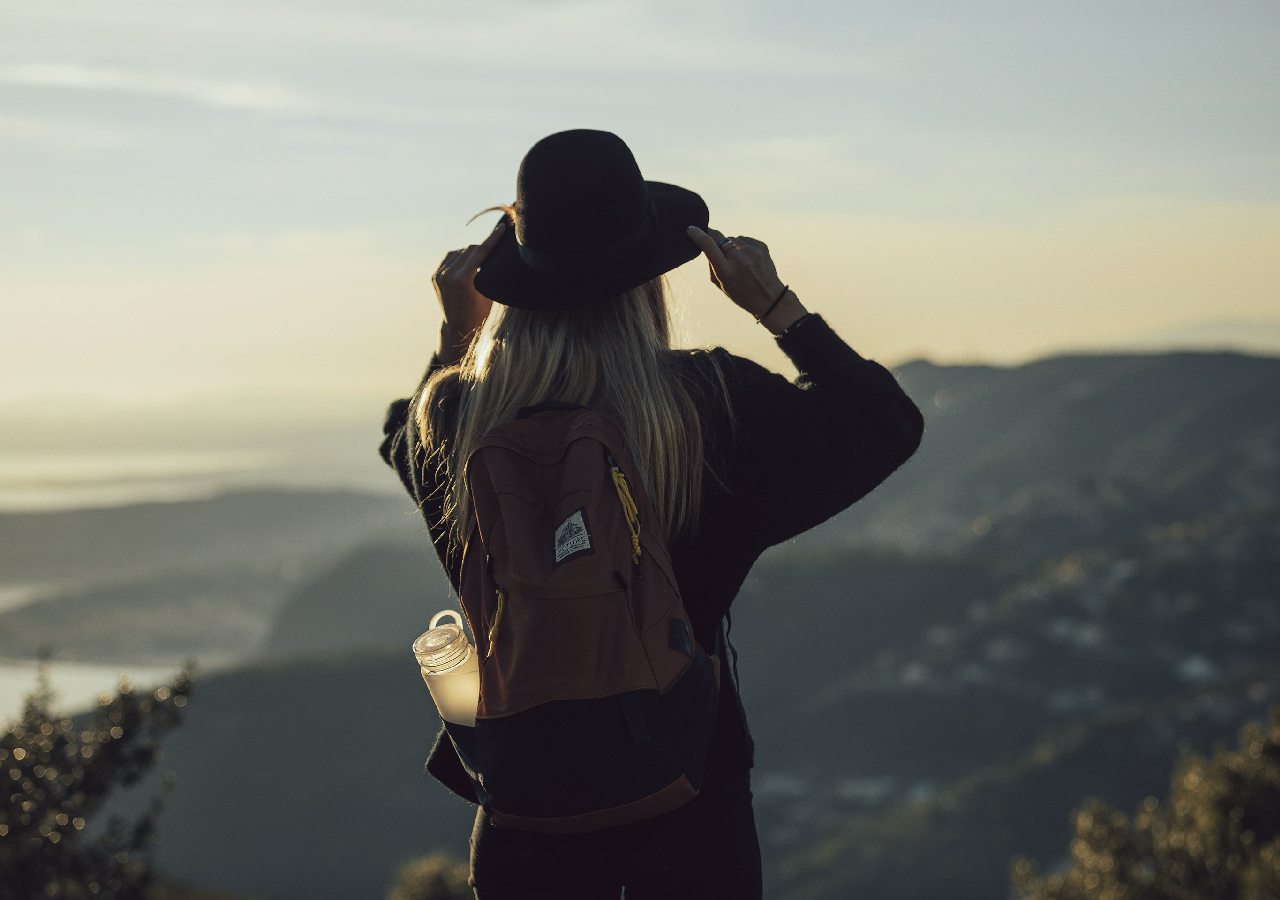
Solo travel in India can be an incredibly rewarding experience. You get to choose your own schedule, explore places at your own pace, meet new people, and step outside your comfort zone without having to coordinate with anyone else.
Whether you’re a first-time solo traveller, a backpacker on a budget, or simply looking for some quiet time away from your routine, India has plenty of destinations that work well for travelling alone. From the mountains of Himachal Pradesh to the beaches of Goa and the peaceful landscapes of Kerala, there is something for almost every kind of traveller.
But choosing the right destination matters, especially if this is your first solo trip. You want a place with reasonably convenient transport, accommodation options, things to do, and an atmosphere where solo travellers can feel comfortable.
Here are 10 destinations worth considering for your next solo adventure in India.
1. Rishikesh, Uttarakhand
If you want a combination of adventure, nature, spirituality, and a social backpacker atmosphere, Rishikesh is an excellent place to start.
Located along the Ganges and surrounded by the Himalayan foothills, Rishikesh attracts travellers from India and around the world. You can spend your mornings walking along the river, join a yoga class, explore ashrams, or simply relax at a café.
For adventure lovers, activities such as river rafting, trekking, and camping can add some excitement to your trip.
One of the biggest advantages of travelling solo in Rishikesh is that it is relatively easy to meet other travellers. Hostels, cafés, yoga centres, and group activities naturally create opportunities to make new friends.
Best for: Adventure, yoga, spirituality, backpacking and meeting fellow travellers.
2. Goa
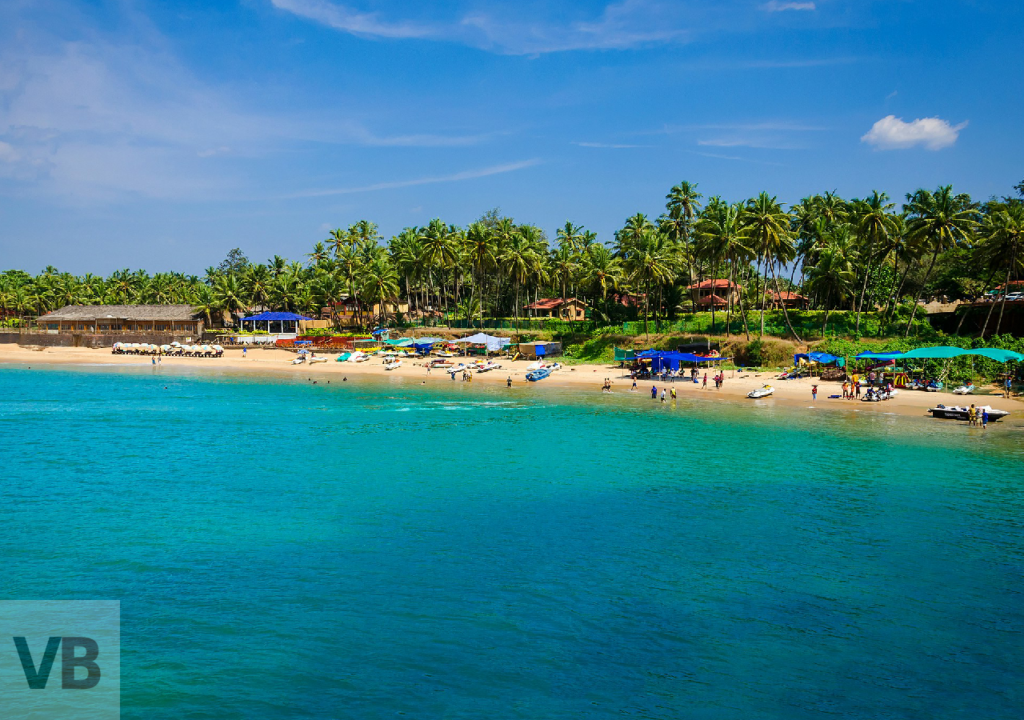
Goa has long been one of India’s favourite destinations for independent travellers. Its combination of beaches, cafés, nightlife, Portuguese-influenced architecture, and relaxed atmosphere makes it particularly appealing for solo trips.
You don’t need to plan every minute of your holiday. You can rent a scooter where legally permitted and appropriate, spend a day exploring beaches, discover local restaurants, visit markets, or simply sit by the sea with a book.
North Goa tends to have a livelier backpacker scene, while parts of South Goa offer a quieter experience.
Solo travellers should still use normal precautions, particularly at night. Avoid isolated areas, keep an eye on your belongings, and don’t accept drinks or rides from strangers without considering the risks.
Best for: Beaches, food, nightlife, relaxation and independent exploration.
3. Jaipur, Rajasthan
If you want history and culture rather than beaches or mountains, Jaipur is a fascinating choice for solo travel.
Known as the Pink City, Jaipur is home to impressive forts, palaces, colourful markets and traditional Rajasthani cuisine. You can spend a day visiting Amber Fort, City Palace and Hawa Mahal before exploring the city’s bazaars.
Jaipur is also a useful destination for solo travellers who want a relatively structured sightseeing experience. Many attractions can be visited independently, while local guides and organised tours are available if you want additional context.
Try local specialities such as dal baati churma, ghewar and pyaaz kachori during your visit.
Best for: History, architecture, photography, shopping and food.
Also Read – How to Plan a Budget Friendly International Trip Without Missing Out
4. Manali, Himachal Pradesh
Manali is a popular Himalayan destination for travellers looking for mountains, pleasant weather and outdoor experiences.
A solo trip here can be as active or relaxed as you want. You could explore Old Manali, take short hikes, visit nearby villages, spend time in cafés, or plan longer excursions into the surrounding mountains.
The town also has plenty of accommodation options, including hostels that are particularly convenient for solo backpackers.
If you’re travelling during winter, remember that weather conditions can affect road travel and outdoor activities. Always check local conditions before heading into remote areas.
Best for: Mountains, trekking, backpacking, photography and nature.
5. Varanasi, Uttar Pradesh
Varanasi offers a very different kind of solo travel experience. It is intense, colourful, spiritual and full of history.
Walking along the ghats beside the Ganges, watching the evening Ganga Aarti, exploring narrow lanes and sampling local food can make the trip memorable. The city rewards travellers who slow down rather than trying to rush through every attraction.
Varanasi can initially feel overwhelming, particularly for first-time visitors. Give yourself time to adjust to the crowds, traffic and busy streets.
A solo trip here is especially suitable if you’re interested in culture, spirituality, history and photography.
Best for: Culture, spirituality, photography, history and immersive travel.
6. Hampi, Karnataka
Hampi is one of those places that can make a solo traveller feel like they’ve stepped into another world.
The landscape is scattered with enormous boulders, ancient temples, ruins and remnants of the historic Vijayanagara Empire. You can spend hours exploring the archaeological sites and surrounding countryside.
Hampi also has a relaxed backpacker culture, making it relatively easy to meet other independent travellers.
Rather than trying to see everything in one day, spend at least two or three days exploring at a comfortable pace. Sunrise and sunset are particularly beautiful times to experience the landscape.
Best for: History, ruins, photography, backpacking and slow travel.
Also Read – 10 Hidden Destinations in India That Are Still Off the Tourist Radar
7. Pondicherry, Tamil Nadu
Pondicherry, officially Puducherry, is a great option if you want a slower and more relaxed solo getaway.
The French Quarter, colourful streets, cafés and coastal promenade give parts of the city a distinctive character. You can explore the town on foot, enjoy South Indian and French-inspired food, visit Auroville, or simply spend an afternoon reading near the coast.
Pondicherry is particularly attractive for travellers who don’t want a packed itinerary. A few days can be enough to experience its major attractions without feeling rushed.
Best for: Relaxation, cafés, architecture, food and slow travel.
8. Munnar, Kerala
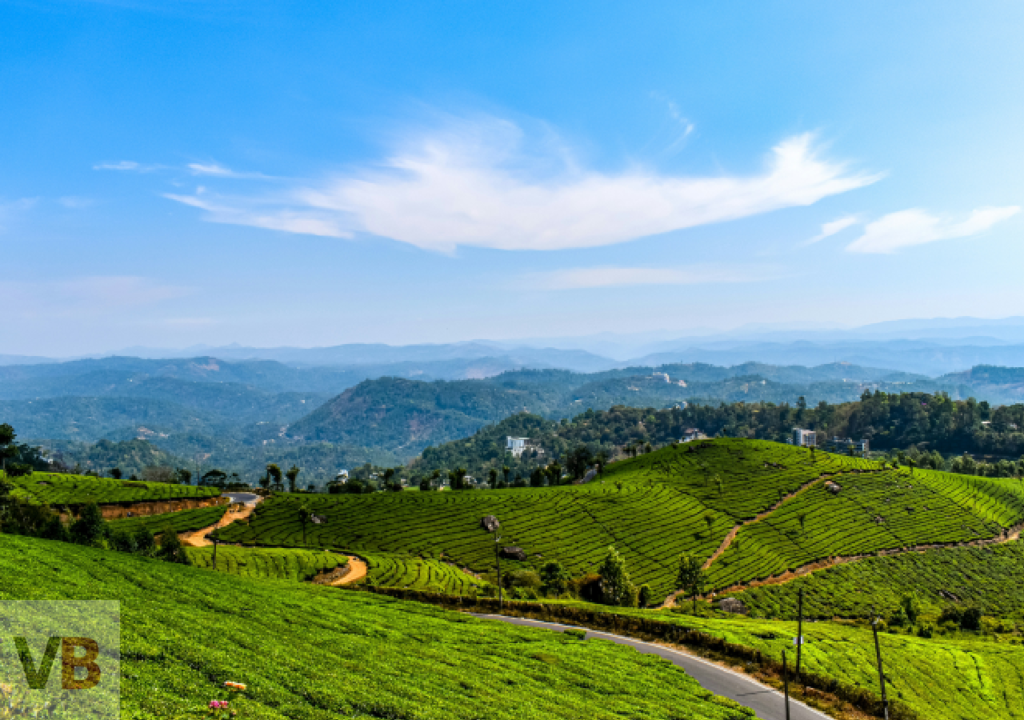
For greenery, misty hills and tea plantations, Munnar is hard to overlook.
Located in Kerala’s Western Ghats, Munnar offers a refreshing change from India’s busy cities. You can visit tea plantations, explore viewpoints, go on nature walks and discover waterfalls and nearby attractions.
It is a good destination for someone who wants their solo trip to be peaceful rather than heavily focused on nightlife.
Since some attractions are spread out, planning your local transportation in advance can make the trip much easier.
Best for: Nature, tea plantations, photography, relaxation and scenic road trips.
9. Udaipur, Rajasthan
Udaipur is another excellent option for solo travellers interested in Rajasthan’s history and culture, but it has a noticeably more relaxed atmosphere than some larger tourist cities.
The city is famous for its lakes, palaces and surrounding hills. Lake Pichola, City Palace and the old city’s streets are among the places worth exploring.
One of the best things about travelling solo in Udaipur is that you can enjoy the city without constantly moving from one attraction to another. Find a rooftop café, watch the sunset and let yourself enjoy the slower pace.
Best for: Couples of course, but also solo travellers interested in architecture, photography, culture and relaxation.
Also Read – Best Budget Friendly Countries to Visit from India
10. Meghalaya
If your idea of a solo adventure involves dramatic landscapes, waterfalls, forests and road trips, Meghalaya deserves a place on your list.
Shillong can serve as a convenient base for exploring parts of the state, while places such as Cherrapunji and Dawki offer very different landscapes and experiences.
The region is particularly appealing to nature lovers and photographers. However, distances between attractions can be significant, so don’t try to squeeze too many places into a short trip.
For remote areas, travelling with a local driver or joining a small group can sometimes be more practical than attempting everything independently.
Best for: Nature, waterfalls, road trips, trekking and photography.
How to Choose the Right Solo Travel Destination
The “best” destination depends largely on what you want from your trip.
If you’re travelling alone for the first time, consider starting with a destination that has plenty of accommodation and transport choices. Rishikesh, Goa and Jaipur are good examples of places where independent travellers have plenty of options.
For a peaceful trip, consider Munnar or Pondicherry. For history and culture, Jaipur, Varanasi and Hampi can provide very different experiences. If mountains are your priority, Manali and Meghalaya offer plenty to explore.
Your budget also matters. Accommodation, transportation and food costs can vary considerably between destinations and seasons.
Solo Travel Tips for India
Travelling alone doesn’t mean you have to do everything alone. Joining a walking tour, taking a cooking class, staying in a hostel or booking a group activity can help you meet people while still keeping control of your itinerary.
A few practical tips can make your trip smoother:
- Share your itinerary: Let a trusted friend or family member know where you’re staying and where you’re heading.
- Keep emergency contacts handy: Save important phone numbers and accommodation details offline.
- Carry digital and physical copies of important documents: Keep backups of your ID, tickets and travel insurance information.
- Avoid overpacking: A manageable backpack or suitcase makes solo travel much easier.
- Use reliable transportation: Particularly when travelling late at night or in unfamiliar areas.
- Trust your instincts: If a situation or place feels uncomfortable, leave rather than worrying about being polite.
- Don’t advertise valuables: Keep expensive electronics and large amounts of cash out of sight.
- Have some flexibility: Indian transport and weather conditions don’t always follow your original schedule, so leave some room in your itinerary.
What Should You Pack for a Solo Trip in India?
Your packing list will depend on the destination and season, but a few essentials are useful almost everywhere.
Carry comfortable walking shoes, weather-appropriate clothing, a reusable water bottle, basic medicines, sunscreen, power banks and a small daypack. If you’re travelling to the mountains, pack appropriate warm layers even if the weather is comfortable when you start your journey.
For solo travel, a small first-aid kit and copies of important documents can also provide peace of mind.
Final Thoughts
Solo travel in India doesn’t have to mean travelling without a plan. The best trips usually combine a basic itinerary with enough freedom to change plans when something interesting comes along.
Whether you’re watching the sunrise over Hampi’s ruins, walking beside the Ganges in Rishikesh, exploring Jaipur’s historic streets or enjoying the peaceful hills of Kerala, travelling alone gives you the freedom to experience India in your own way.
Start with a destination that matches your comfort level, research your route beforehand, stay aware of your surroundings and don’t be afraid to ask locals or fellow travellers for help when you need it.
Most importantly, give yourself permission to travel slowly. A solo trip isn’t a race to see as many places as possible. Sometimes the most memorable part is simply having the freedom to decide what you want to do next.
FAQs
1. Is India good for solo travel?
Yes, India offers a wide range of destinations suitable for solo travellers, from backpacker-friendly places such as Rishikesh and Goa to cultural destinations such as Jaipur and Varanasi. Planning ahead and following basic travel-safety practices can make the experience much easier.
2. Which is the best place for solo travel in India?
The right destination depends on your interests. Rishikesh is popular for adventure and yoga, Goa for beaches and social travel, Jaipur for history and culture, and Munnar for nature and relaxation.
3. Is solo travel in India safe for first-time travellers?
It can be, particularly when you choose well-connected destinations, stay in reputable accommodation and remain aware of your surroundings. First-time solo travellers may prefer destinations with established tourist infrastructure and plenty of accommodation and transportation options.
4. What is the best time for solo travel in India?
There is no single best time because India’s climate varies significantly by region. Winter is generally comfortable for many destinations, while Himalayan and northeastern destinations may have different ideal travel periods. Check the weather for your specific destination before booking.
5. How much does a solo trip in India cost?
The cost depends on your destination, transportation, accommodation and travel style. Budget travellers can reduce expenses by using hostels, public transportation and local restaurants, while private rooms, flights and organised tours will increase the overall cost.
6. Which Indian destinations are best for solo backpackers?
Rishikesh, Goa, Manali, Hampi and Meghalaya are popular options for backpackers. These destinations offer opportunities for outdoor activities, affordable accommodation and interaction with other travellers.
7. How can I meet people while travelling alone in India?
Staying in hostels, joining walking tours, taking group excursions, attending local activities and visiting traveller-friendly cafés are some easy ways to meet other people while keeping your trip independent.
8. What should I pack for a solo trip in India?
Useful essentials include comfortable footwear, weather-appropriate clothing, a reusable water bottle, power bank, sunscreen, basic medicines, important documents and a small daypack. Your exact packing list should depend on the destination and season.
9. How many days are enough for a solo trip in India?
For a single destination, around 3–7 days can provide enough time to explore without rushing. Longer trips are possible if you plan a multi-destination itinerary, but it’s usually better to allow extra time for transportation and unexpected changes.
10. What are some tips for travelling alone in India?
Research your destination, share your itinerary with someone you trust, keep emergency contacts available, use reliable transportation, protect your valuables and avoid isolated areas when travelling alone. Keeping your itinerary flexible can also make the journey less stressful.
To read more interesting articles visit – https://ventureblogging.com