How to Stay Hydrated Throughout the Day: Practical Tips
Do you ever reach the afternoon feeling tired, unfocused, or slightly headachy without knowing why? Your daily routine, sleep, meals, and stress can all play a role, but insufficient fluid intake is another common factor worth considering.
With busy schedules, long commutes, exercise, and changing weather, it is easy to overlook something as basic as drinking enough fluids. The solution, however, does not require constantly counting glasses of water or following a complicated routine.
This guide explains practical ways to make hydration easier, recognize when your body may need more fluids, and develop habits that fit naturally into everyday life.
Why Does Hydration Matter?
Water is involved in many important processes in the body. It helps regulate temperature, transport nutrients, support digestion, lubricate joints, and remove waste.
The body continuously loses fluids through normal activities such as breathing, sweating, and urination. Those losses increase during exercise, hot weather, or illness, making it important to replace fluids regularly.
Poor fluid intake can sometimes contribute to thirst, dry mouth, tiredness, headaches, darker urine, or difficulty concentrating. However, these symptoms can have other causes too, so they should not automatically be attributed to dehydration.
Start With an Easy Morning Habit
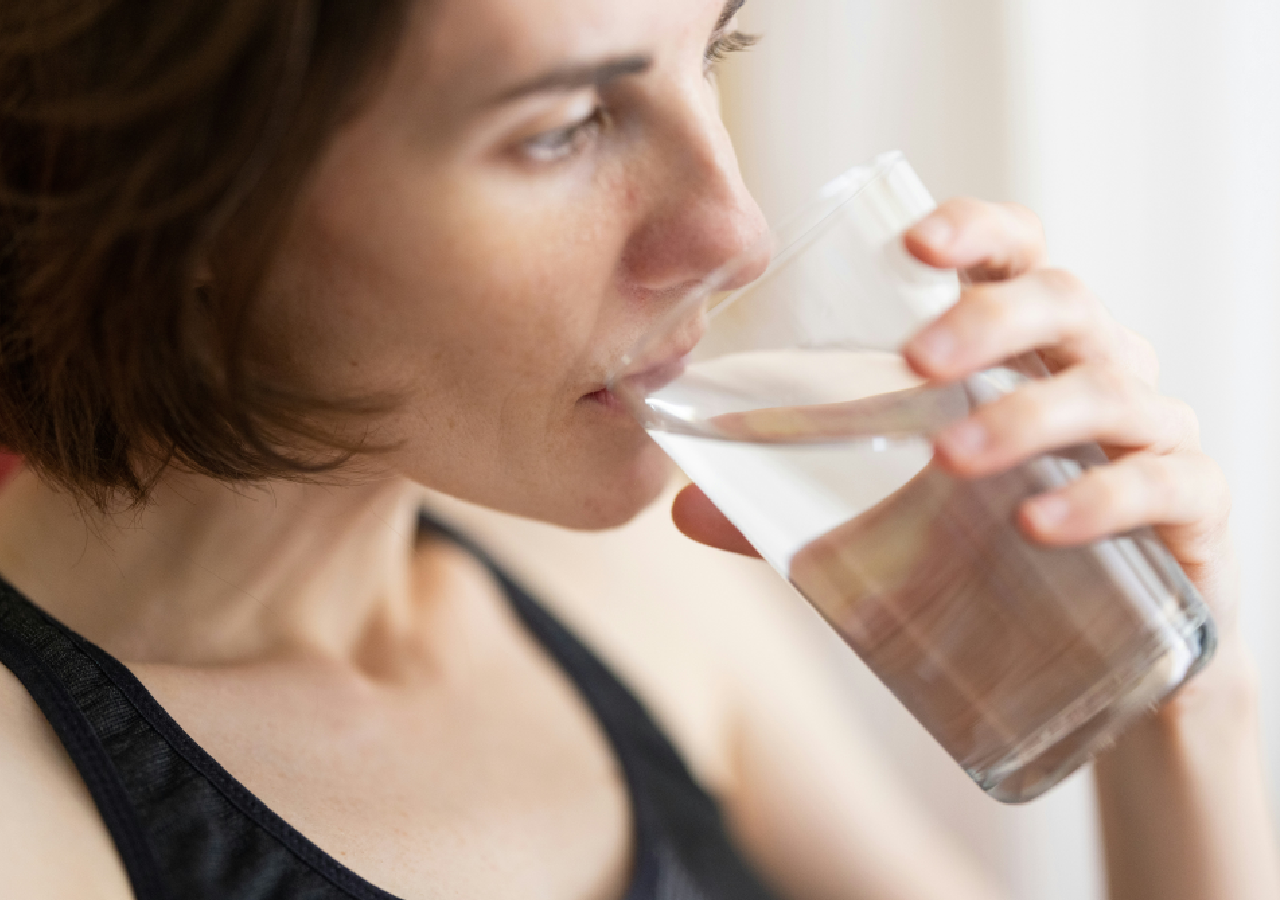
A simple morning routine can set the tone for the rest of the day. Having a glass of water after waking is an easy way to begin replacing fluids lost overnight.
Rather than trying to drink a large amount immediately, make it part of your normal breakfast routine. Keeping a glass or bottle in a convenient location can make this habit easier to maintain.
Tea and coffee can also contribute to overall fluid intake. However, if your morning usually starts with caffeinated drinks, including some plain water can provide variety and help you avoid relying exclusively on one type of beverage.
Keep Fluids Convenient During Busy Days
For many people, the biggest obstacle is not disliking water but simply forgetting about it. Keeping a reusable bottle at your desk, in your bag, or beside you during travel makes fluids readily available.
You can also connect drinking with existing activities. A few sips during a work break, with a meal, or after returning from an errand can become automatic over time.
There is no need to follow a rigid timetable. The purpose is to make fluids accessible enough that drinking becomes part of your normal routine rather than another task on your to-do list.
Include Water-Rich Foods in Your Diet
Hydration comes from more than beverages. Many fruits and vegetables contain substantial amounts of water and can contribute to your overall fluid intake while also providing essential nutrients.
Refreshing options include watermelon, cucumber, oranges, strawberries, tomatoes, lettuce, and similar produce. Soups and broths can also provide fluids, particularly as part of a balanced meal.
Water-rich foods are especially useful when you want something refreshing in warm weather. They should complement your usual drinks rather than be considered a complete replacement for them.
Adjust Your Routine for Heat and Exercise
Temperature and physical activity can significantly affect fluid loss. When you sweat more, your body loses more water, so your usual routine may need some adjustment.
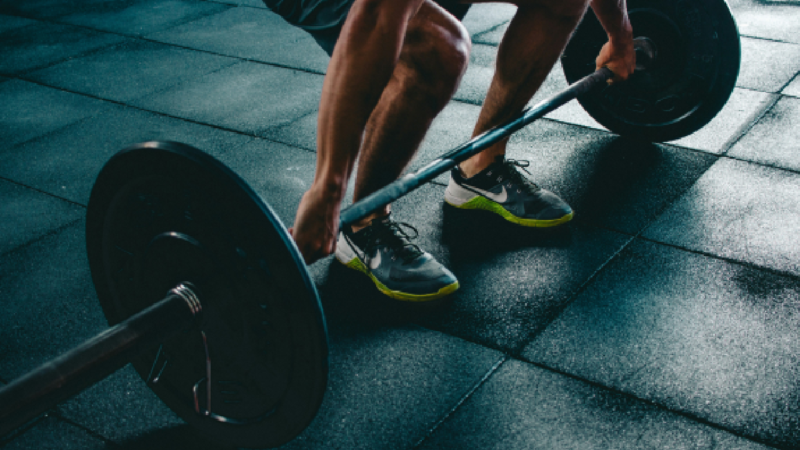
On hot days, take breaks in cooler areas and keep fluids available when spending extended periods outdoors. During exercise, drink according to the intensity and duration of the activity rather than treating every workout the same way.
For shorter or moderate sessions, plain water is generally a practical choice. Longer endurance activities, particularly in high temperatures, may involve greater losses of electrolytes as well as fluids and may require a more individualized approach.
It is also important not to overdo it. Consuming excessive amounts of water in a short period can be harmful, particularly during prolonged exercise.
Recognize Your Body’s Signals
Learning the common signs associated with insufficient fluid intake can help you respond earlier. Thirst, dry mouth, tiredness, reduced urination, and darker urine can occur when your body needs more fluids.
Urine color can offer a general clue, although it is not a perfect measurement. Certain foods, supplements, medications, and health conditions can change urine color independently of hydration.
More severe symptoms, such as fainting, confusion, extreme weakness, or inability to keep fluids down, should not be ignored. These may require prompt medical evaluation, particularly after significant heat exposure, illness, vomiting, diarrhea, or fluid loss.
Make Healthy Drinks More Appealing
If plain water does not appeal to you, small changes can make it easier to consume regularly. Try adding slices of lemon, cucumber, orange, or fresh mint for a subtle flavor.
Temperature can make a difference too. Some people prefer chilled water, while others find room-temperature drinks more comfortable. Unsweetened sparkling water can also add variety without the added sugar found in many soft drinks.
The goal is not to make every drink exciting. Instead, find a few options you enjoy so that choosing a suitable beverage feels effortless.
Be Mindful of Sugary Beverages
Soft drinks, sweetened juices, and energy drinks may provide fluids, but they can also contain significant amounts of added sugar or caffeine.
You do not necessarily have to remove these beverages completely from your diet. A more practical approach is to make water and other unsweetened options your everyday choices, while treating sugary drinks as occasional alternatives.
Small substitutions can be easier to maintain than drastic changes. For example, replacing one sweetened drink with water during the day can gradually change your overall beverage habits.
How Much Fluid Do You Actually Need?
There is no universal amount that every person needs to drink each day. Requirements vary according to body size, age, activity level, climate, diet, pregnancy, breastfeeding, and health status.
Your needs may increase when you are exercising heavily or spending time in hot conditions. On the other hand, people with certain heart, kidney, or liver conditions may need individualized fluid guidance.
This means a fixed daily target should not be treated as a rule for everyone. If you have a medical condition that affects fluid balance, follow the recommendations provided by your healthcare professional.
Important Medical Disclaimer
This article is intended for general educational purposes only and is not a substitute for professional medical advice, diagnosis, or treatment. Individual fluid requirements can vary significantly, particularly for children, older adults, pregnant or breastfeeding individuals, athletes, and people with heart, kidney, liver, or other medical conditions. Do not deliberately increase or restrict your fluid intake based solely on this article if you have been given medical instructions about fluids or electrolytes. If you experience severe thirst, confusion, fainting, persistent vomiting or diarrhea, inability to keep fluids down, very little or no urination, or other concerning symptoms, seek prompt medical attention. In an emergency, contact your local emergency medical service. When in doubt about your personal hydration needs, consult a qualified healthcare professional.
Build a Routine That Works for You
The most effective approach on How to Stay Hydrated Throughout the Day is to make it fit your existing lifestyle. Instead of constantly monitoring every drink, create a few reliable habits around meals, work breaks, exercise, and travel.
A visible bottle, water-rich foods, and healthier beverage choices can all reduce the effort involved. Over time, these small decisions can become automatic.
Most importantly, avoid turning hydration into an all-or-nothing goal. Your needs naturally change from day to day, so flexibility is more useful than rigid rules.
Conclusion
Staying hydrated is less about following a perfect schedule and more about developing practical habits that work consistently. Start your day with fluids, keep beverages accessible, include water-rich foods, and make adjustments when exercise, illness, or hot weather increases fluid loss.
Pay attention to your body’s signals while remembering that individual needs vary. With a few simple changes, How to Stay Hydrated Throughout the Day can become an easy part of your normal routine rather than another health goal to worry about.
To read more interesting articles visit – https://ventureblogging.com