Strength Training for Women: Benefits and Beginner-Friendly Exercises
Have you ever avoided lifting weights because you thought strength training was only for athletes or that it might make you look bulky? You are not alone. Many women believe that walking, running, or doing cardio is enough to stay fit, but building and maintaining muscle is equally important for long-term health.
Strength training is not just about developing visible muscles. It can help women become stronger, improve everyday movement, support bone health, and build confidence. Whether you are a complete beginner, returning to exercise after a long break, or looking for a new way to improve your fitness, you can start with simple exercises and gradually increase the challenge.
In this guide, you will learn about the benefits of strength training, beginner-friendly exercises you can perform at home or in a gym, and practical ways to create a routine that fits your lifestyle. You do not need expensive equipment or hours of free time to begin. What matters most is learning the correct technique and staying consistent.
What Is Strength Training?
Strength training is a form of exercise that challenges your muscles to work against resistance. This resistance can come from your own body weight, dumbbells, resistance bands, weight machines, or other equipment.
When you perform exercises such as squats, push-ups, lunges, and rows, your muscles work to overcome resistance. With regular practice and adequate recovery, your body adapts to these demands, helping you become stronger over time.
Strength Training for Women is suitable for women of different ages and fitness levels. Beginners can start with bodyweight movements before progressing to resistance bands or weights. The goal is not to lift the heaviest weight possible but to build strength safely and gradually.
Benefits of Strength Training for Women
1. Builds Muscle Strength and Endurance
One of the most noticeable benefits of strength training is improved muscle strength. Everyday activities such as carrying shopping bags, climbing stairs, lifting luggage, and moving household items can become easier as your muscles grow stronger.
Strength training can also improve muscular endurance, allowing your muscles to work for longer before becoming tired. Over time, regular sessions can make everyday physical tasks feel more manageable.
You do not have to train like a professional athlete to experience these benefits. Even a basic routine performed consistently can help you develop a stronger foundation.
2. Supports Bone Health
Bone health becomes increasingly important as women age. Hormonal changes, particularly during and after menopause, can accelerate bone loss and increase the risk of osteoporosis.
Weight-bearing activities and resistance exercises place controlled demands on the bones, helping support bone strength. Exercises such as squats, step-ups, and resistance-band movements can form part of a bone-health routine.
However, exercise alone cannot guarantee protection against osteoporosis. Women with osteoporosis, a history of fractures, or other bone-related conditions should seek professional guidance to choose appropriate exercises.
3. Helps Manage Body Composition
Many women begin exercising because they want to manage their weight or change their body composition. Strength training can support these goals by helping build or maintain muscle while improving overall physical fitness.
Muscle tissue requires energy to maintain, although the effect of muscle gain on daily calorie expenditure is often smaller than people expect. Combining strength training with regular movement and balanced nutrition can support sustainable weight management.
It is also important to look beyond the number on the weighing scale. Changes in strength, energy levels, endurance, and how comfortably your clothes fit can be meaningful signs of progress.
4. Improves Balance and Everyday Mobility
Strong muscles help support the movements you perform throughout the day. Exercises that strengthen the legs, hips, core, and back can contribute to better movement control and stability.
For older women, appropriate strength and balance exercises can be particularly useful for maintaining independence and reducing the risk of falls. Younger women can also benefit from improved coordination and movement confidence.
Start with exercises that allow you to maintain control. As your balance and strength improve, you can gradually introduce more challenging movements.
5. Supports Mental Well-Being
Exercise can be a useful part of a healthy approach to managing everyday stress. Completing a workout, learning a new movement, or noticing that an exercise has become easier can also provide a sense of achievement.
Strength training may help improve mood and support better sleep for some people. It can also encourage a more positive relationship with your body by shifting the focus from appearance to what your body can do.
Remember that exercise should support your well-being rather than become another source of pressure. A sustainable routine is more valuable than an intense plan you cannot maintain.
6. Helps Maintain Strength as You Age
Muscle mass and strength tend to decline with age, especially when physical activity levels are low. Regular resistance exercise can help slow this decline and support functional ability.
Maintaining strength can make it easier to perform everyday tasks independently, from getting up from a chair to carrying groceries. Starting early can help establish habits that remain useful throughout life, but it is never too late to begin at an appropriate level.
Beginner-Friendly Strength Training Exercises
You do not need to master dozens of movements when you start. A few exercises that work the major muscle groups are enough to build a useful beginner routine.
The following exercises can be performed at home with little or no equipment. Choose variations that feel manageable and focus on controlled movement rather than speed.
1. Bodyweight Squats
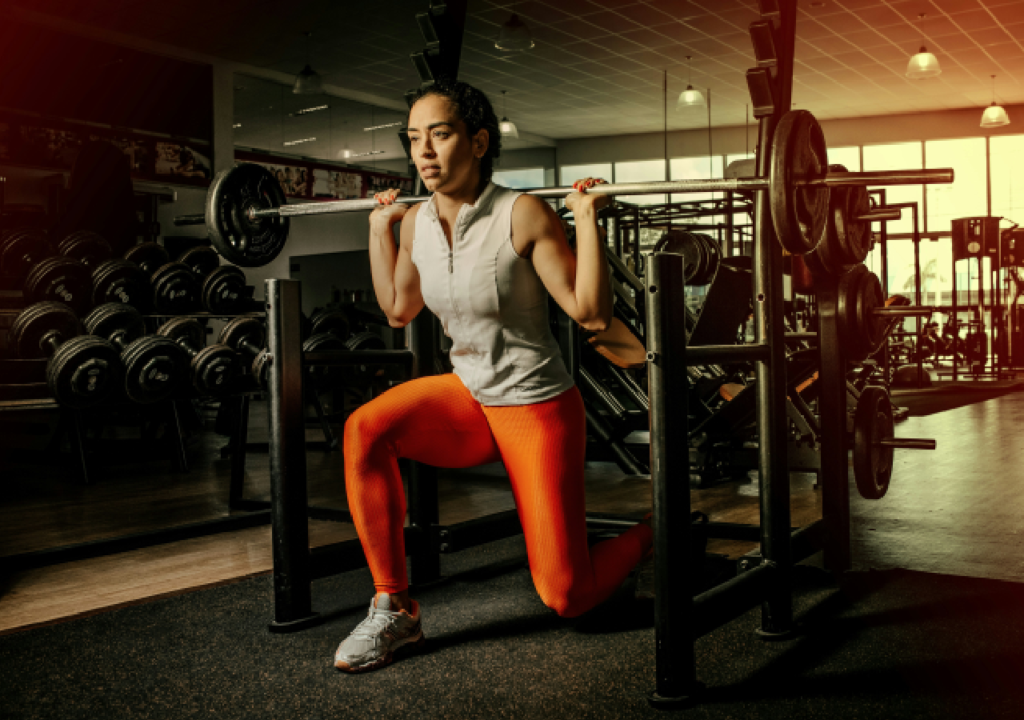
Squats strengthen the muscles of your thighs, hips, and buttocks. They also practise a movement you use when sitting down and standing up.
Stand with your feet approximately shoulder-width apart. Push your hips backward, bend your knees, and lower your body as though you are sitting on a chair. Keep your feet flat and your chest comfortably lifted, then press through your feet to return to standing.
Begin with 8–10 repetitions. If a full squat feels difficult, practise sitting down on a sturdy chair and standing up again.
2. Wall Push-Ups
Wall push-ups strengthen the chest, shoulders, and triceps while allowing you to control the difficulty more easily than a floor push-up.
Stand facing a wall and place your palms against it at about shoulder height. Step backward slightly, keeping your body in a straight line. Bend your elbows to bring your chest toward the wall, then push yourself back to the starting position.
Try 8–12 repetitions. When this becomes comfortable, you can progress to push-ups against a sturdy countertop or another stable elevated surface.
3. Glute Bridges
Glute bridges target the buttocks and help strengthen the muscles around the hips.
Lie on your back with your knees bent and your feet flat on the floor. Keep your arms beside your body, gently tighten your abdominal muscles, and lift your hips until your shoulders, hips, and knees form an approximately straight line.
Pause briefly at the top without excessively arching your lower back. Lower your hips slowly and repeat for 10–12 repetitions.
4. Resistance-Band Rows
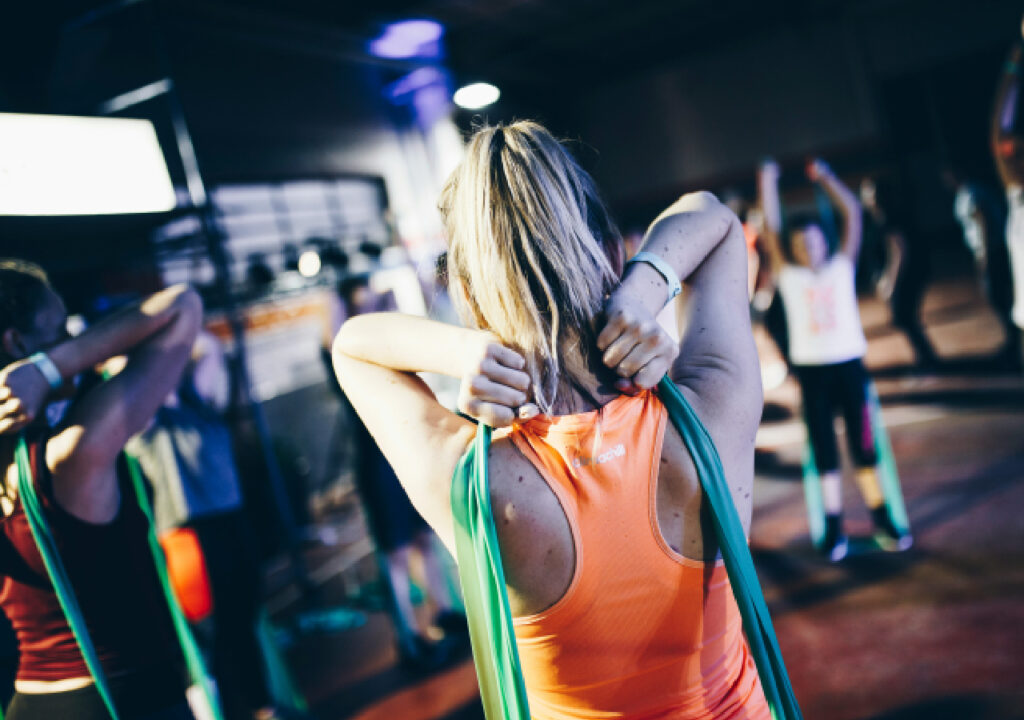
Rows work the muscles of your upper back and arms. They are useful for balancing exercises that focus on pushing movements.
Sit or stand upright and hold a resistance band securely according to its instructions. Pull the band toward your torso, bringing your elbows backward while keeping your shoulders relaxed. Return to the starting position slowly.
Perform 8–12 controlled repetitions. Always check the band for damage and make sure it is secured safely before exercising.
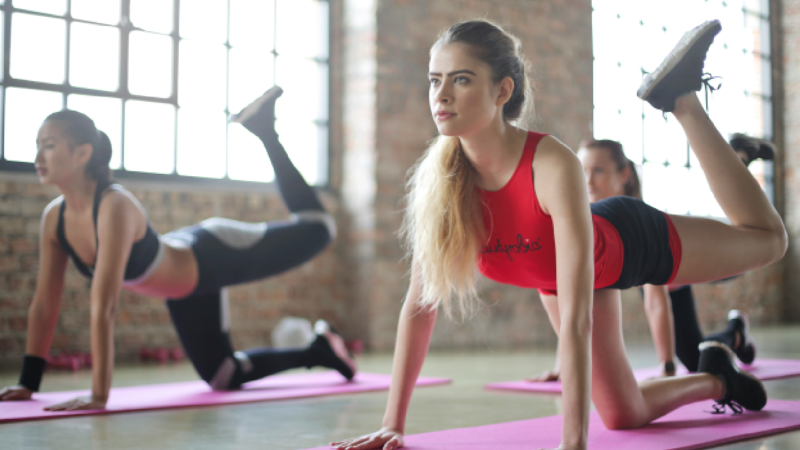
5. Bird Dogs
Bird dogs strengthen the core and challenge coordination without requiring weights.
Begin on your hands and knees, with your hands under your shoulders and knees under your hips. Extend one arm forward and the opposite leg backward while keeping your torso stable. Return to the starting position and repeat on the other side.
Start with 6–8 repetitions per side. Move slowly and avoid twisting your hips or arching your back.
6. Step-Ups
Step-ups strengthen the legs and practise movements involved in climbing stairs. Use a low, sturdy step that does not move when you place your weight on it.
Step onto the platform with one foot, bring the other foot up, and step down carefully. Alternate the leading leg as you repeat the movement.
Start with 6–8 repetitions per leg. If you struggle with balance, use a stable handrail for support or choose chair sit-to-stands instead.
How to Start a Weekly Strength Training Routine
Beginners often make the mistake of exercising too frequently at the beginning. This can lead to excessive soreness, fatigue, and difficulty maintaining the habit.
A practical starting point is two full-body strength sessions per week, with at least one recovery day between sessions. Each workout can take around 20–30 minutes, depending on your pace and rest periods.
Here is a simple example of how to organise your week:
- Monday: Full-body strength training.
- Tuesday: Walking or another comfortable physical activity.
- Wednesday: Rest or gentle mobility exercises.
- Thursday: Full-body strength training.
- Friday: Walking, cycling, or another enjoyable activity.
- Saturday: Light recreational activity or rest.
- Sunday: Rest and prepare for the coming week.
During each strength session, choose four to six exercises from the list above. Complete one or two sets of each movement, resting as needed between sets. Begin with a repetition range that allows you to maintain good technique.
As the exercises become easier, increase the challenge gradually. You might add a few repetitions, perform an additional set, use a slightly stronger resistance band, or choose a more challenging variation.
Common Mistakes Beginners Should Avoid
Starting slowly can help you build confidence and reduce the likelihood of preventable setbacks. Pay attention to your technique and how your body responds to each session.
Some common mistakes include:
- Using weights that are too heavy: Choose resistance you can control throughout the movement.
- Skipping warm-ups: Spend around five minutes walking gently and practicing easy versions of your planned exercises.
- Ignoring recovery: Allow time between demanding sessions and get adequate sleep.
- Expecting immediate results: Strength develops gradually, and progress differs from person to person.
- Comparing yourself with others: Focus on your own technique, consistency, and improvements.
- Training through sharp pain: Stop an exercise that causes sharp or unusual pain and seek appropriate advice if the problem persists.
Normal muscle soreness can occur when you begin a new routine, but severe pain, significant swelling, chest pain, or unusual shortness of breath should not be ignored.
Nutrition and Recovery for Better Results
Exercise is only one part of building strength. Your body also needs sufficient food, protein, fluids, and rest to recover between workouts.
Include a variety of protein-rich foods in your meals, such as eggs, milk, yogurt, lentils, beans, tofu, fish, or lean meat. Protein supports muscle repair and growth, while carbohydrates provide energy for physical activity.
Fruits, vegetables, whole grains, nuts, and seeds contribute vitamins, minerals, fibre, and other nutrients that support general health. Drink water regularly, particularly when exercising in hot weather or sweating heavily.
Sleep also matters. Consistent, adequate sleep can support recovery, energy levels, and workout performance. Avoid increasing your training volume too quickly, and remember that rest days are a normal part of a successful fitness plan.
How Long Does It Take to See Results?
There is no single timeline that applies to every woman. Your starting fitness level, age, training schedule, nutrition, sleep, and exercise technique can all influence your progress.
During the first few weeks, you may notice that movements feel more familiar and your coordination improves. With continued training, you may gradually be able to complete more repetitions, use greater resistance, or perform everyday tasks with less effort.
Visible changes in muscle size or body composition may take longer and are not guaranteed to follow a predictable schedule. Rather than judging success by appearance alone, keep track of practical milestones, such as completing an extra repetition or performing a movement with better control.
Conclusion
Strength training can help women build stronger muscles, support bone health, improve everyday mobility, and develop greater confidence in their physical abilities. You do not need to be experienced, join an expensive gym, or follow a complicated programme to get started.
Choose beginner-friendly exercises such as squats, wall push-ups, glute bridges, rows, and bird dogs. Aim for two manageable strength sessions each week, practise proper technique, eat balanced meals, and allow enough time for recovery.
Most importantly, be patient with yourself. Strength Training for Women is not about achieving perfection or competing with someone else. It is about making steady progress, building healthier habits, and becoming stronger in ways that support your everyday life.
To read more interesting articles visit – https://ventureblogging.com